

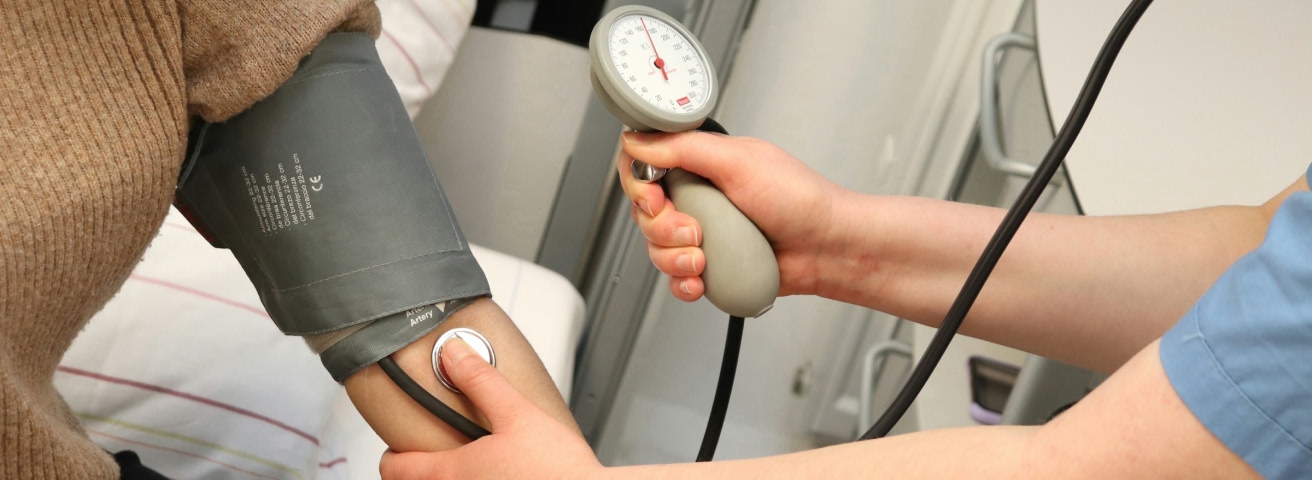
Image Source: Unsplash – A person with a blood pressure device in their hand
It often starts quietly.
A blood pressure reading that stays high. A cholesterol result that keeps creeping up. Blood sugar that is no longer in the healthy range. One condition may seem manageable on its own. But when two or three begin to overlap, the situation changes.
That is where many people in Singapore find themselves. Not suddenly, but gradually. A person in their 50s or 60s may be told they have hypertension, then hyperlipidaemia, then diabetes a few years later. A caregiver may be helping an older parent manage stroke risk, medication schedules, diet changes, and clinic visits all at once. The issue is no longer one disease. It is the combined effect of several.
What Multimorbidity Means and Why It Matters in Singapore
Multimorbidity means living with two or more long-term health conditions at the same time. These are often chronic diseases that need ongoing monitoring, treatment, and lifestyle management rather than one-time care.
This matters because chronic diseases often interact with one another. Diabetes can raise the risk of kidney disease, nerve damage, and cardiovascular problems. Hypertension can increase stroke and heart disease risk. High cholesterol adds another layer of vascular risk. When these conditions appear together, they do not simply sit side by side. They can compound each other.
The World Health Organization describes chronic diseases, or noncommunicable diseases, as long-duration conditions that usually progress slowly and require ongoing care (World Health Organization [WHO], 2023). In Singapore, this is especially relevant because an ageing population, sedentary lifestyles, diet-related risks, and long working hours all shape how chronic illness develops and how early it is picked up.
The main issue is not only how common these conditions are. It is how easily they become harder to manage when action comes late.
The Most Common Chronic Disease Combinations Seen in Primary Care
In primary care, doctors often see familiar patterns.
One of the most common combinations is diabetes, hypertension, and hyperlipidaemia. These three frequently cluster together because they share similar risk factors, including age, family history, excess weight, diet, and low physical activity. They are also strongly linked to cardiovascular disease.
Another common pattern is hypertension with stroke risk or heart disease risk. Older adults may also live with osteoarthritis alongside diabetes or hypertension, which can make exercise harder and disease control less consistent. Some patients are managing dementia together with chronic metabolic or cardiovascular disease, which adds another layer of difficulty for caregivers and families.
Singapore’s Chronic Disease Management Programme reflects how broad chronic care needs have become. The Ministry of Health states that the CDMP covers 23 chronic diseases, including diabetes, hypertension, hyperlipidaemia, stroke, asthma, COPD, dementia, and osteoarthritis (Ministry of Health Singapore, 2023).
That list matters. It shows that chronic care in Singapore is not built around one diagnosis at a time. It is built around the reality that many people are managing several.
How Early Intervention Can Reduce Complications and Hospital Burden
This is where early action makes a real difference.
Chronic diseases often do not feel urgent in the beginning. High blood pressure may cause no clear symptoms. Cholesterol problems usually do not announce themselves. Even diabetes can remain quiet for years before complications become obvious. That silence leads many people to delay follow-up, skip repeat tests, or put off lifestyle changes.
But quiet does not mean harmless.
When intervention happens early, there is more room to slow progression and reduce complications. Better blood pressure control can lower stroke risk. Better glucose and lipid control can help reduce long-term damage to blood vessels, kidneys, eyes, and nerves. Earlier diagnosis also allows care teams to keep treatment simpler before problems become more complex.
This matters not just for individual patients, but for the healthcare system as a whole. Poorly controlled chronic disease increases emergency visits, hospital admissions, and long-term care needs. Earlier management in primary care can reduce that burden by preventing avoidable deterioration.
In other words, chronic disease care works best before it becomes crisis care.
Where Healthier SG, CDMP, and Community Support Fit Into Chronic Care
Singapore has been trying to move in that direction.
Healthier SG is part of that shift. According to the Ministry of Health, Healthier SG encourages residents to enrol with a regular family doctor, focus more on prevention, and receive structured support for healthier living and chronic care follow-up (Singapore Ministry of Health, 2024). That continuity matters because chronic disease management works better when one doctor or care team sees the whole picture over time.
Instead of treating each appointment as a separate event, coordinated primary care allows patterns to be spotted earlier. It also helps patients who may otherwise feel lost between screenings, prescriptions, referrals, and lifestyle advice.
The CDMP plays a different but related role. It supports outpatient management of approved chronic diseases, making long-term treatment more structured within Singapore’s healthcare framework (Ministry of Health Singapore, 2023). For many patients, this makes it easier to stay connected to care rather than waiting until complications force hospital treatment.
Community support also matters more than people sometimes realise. A good chronic care plan is not just medication on paper. It often involves family encouragement, access to healthier food choices, movement-friendly routines, screening reminders, and trusted support from GPs, nurses, health coaches, or community programmes.
That support is often what turns advice into something sustainable.
Practical Lifestyle Habits That Support Long-Term Disease Control
Lifestyle support can sound vague until it becomes practical.
For most people, long-term disease control is shaped by ordinary habits. Regular physical activity helps with blood sugar, blood pressure, cholesterol, mobility, and mood. Healthier eating supports metabolic control and weight management. Regular screening and clinic follow-up help detect changes before they become more serious. Taking medication as prescribed, getting enough sleep, and avoiding smoking remain core parts of chronic disease control.
None of this is dramatic. That is partly why people underestimate it.
But chronic disease is often managed through repetition, not intensity. A sustainable walking routine may do more for long-term health than a short burst of motivation. A family that adjusts meals together may make it easier for one older parent to stay on track. A caregiver who helps organise medications and appointments may prevent a cascade of missed follow-ups and worsening health.
Even when someone already has a chronic disease, lifestyle changes still matter. They are not a replacement for treatment, but they are part of treatment. WHO continues to identify unhealthy diet, physical inactivity, and tobacco use as major modifiable risk factors for noncommunicable diseases (WHO, 2023).
So yes, better habits still count, even after diagnosis.
Many people assume they need to wait until something gets worse before taking it seriously.
That is usually the wrong approach.
With multimorbidity, timing matters. Earlier action gives patients more options, helps doctors intervene before damage accumulates, and can reduce the emotional and financial strain that comes with complications. It also gives caregivers more breathing room. Managing a parent’s or spouse’s chronic conditions is hard enough without repeated health scares and rushed hospital visits.
The goal is not perfection. It is steadier control.
That may mean seeing a regular GP instead of doctor-hopping. It may mean responding to early warning signs instead of brushing them aside. It may mean accepting that small habits, repeated over time, can shape whether a condition stays manageable or becomes disruptive.
For Singapore, that shift toward early, coordinated care is not just good policy. It is practical. And for patients and families, it can mean fewer complications, fewer hospital visits, and more years lived with independence and stability.
FAQs
Q: What are chronic diseases?
A: Chronic diseases are long-term health conditions that usually require ongoing monitoring, treatment, and lifestyle management.
Q: What is multimorbidity?
A: Multimorbidity means living with two or more long-term conditions at the same time.
Q: Which chronic diseases are covered under Singapore’s CDMP?
A: The CDMP covers 23 chronic diseases, including diabetes, hypertension, hyperlipidaemia, stroke, asthma, COPD, dementia, and osteoarthritis (Ministry of Health Singapore, 2023).
Q: How does Healthier SG help people with chronic diseases?
A: Healthier SG connects residents to a regular family doctor, supports preventive care, and offers subsidies and structured follow-up for chronic care (Singapore Ministry of Health, 2024).
Q: Can lifestyle changes still make a difference if someone already has a chronic disease?
A: Yes. Physical activity, healthier eating, regular screening, and sustained follow-up remain important for reducing risk and improving long-term outcomes (WHO, 2023).
References:
Ministry of Health Singapore. (2023). Chronic Disease Management Programme (CDMP).
https://www.moh.gov.sg/others/resources-and-statistics/chronic-disease-management-programme-cdmp
Singapore Ministry of Health. (2024). What is Healthier SG
https://www.healthiersg.gov.sg/about/what-is-healthier-sg
World Health Organization. (2023). Noncommunicable diseases.
https://www.who.int/news-room/fact-sheets/detail/noncommunicable-diseases